Innovation in a New Century, 2000-present

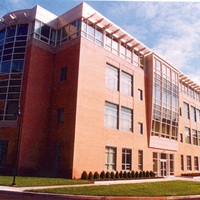
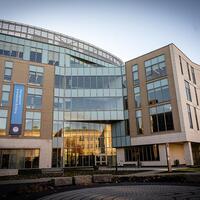
The 21st century has been a period of transformative innovation, growth, and leadership for SSW. Over the past two decades, SSW has embraced flexibility and specialization to meet the evolving needs of both the profession and the communities it serves. A pivotal moment came in 2002, when the School relocated from 51 Commonwealth Avenue to the One Palace Road building on Simmons University’s main academic campus. Two years later, in 2004, SSW celebrated its Centennial, honoring 100 years as a national leader in social work education.
Throughout the early 21st century, SSW built upon its legacy by launching forward-thinking academic programs, including a fully online Master of Social Work (M.S.W.) program in 2014—one of the first of its kind. This expertise in online education enabled the School to swiftly transition to remote learning during the COVID-19 pandemic in 2020–2021, ensuring a continuity of education during a global crisis.
SSW’s curriculum has continued to evolve with the introduction of several new certificate programs, designed to meet both student interests and contemporary professional demands. These include the Public Policy Certificate (2020), the Certificate in Trauma Practice (2017), the School Social Worker Certificate, and the M.S.W. with Certificate in Clinical Practice with Active Service Members, Veterans, and Families (2025). Recognizing the need for more inclusive academic pathways, the School introduced the B.S.W. Complete Degree Option, supporting women and women-identifying individuals who previously began but had not completed their undergraduate degrees. A 16-month accelerated M.S.W. program was also launched to provide students with additional flexibility. For advanced practitioners, the School developed a fully online Doctorate of Social Work (D.S.W.) and transitioned its Ph.D. program to an online format, broadening access for working professionals across the country.
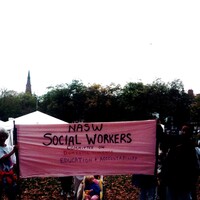
In 2006, SSW reaffirmed its commitment to anti-racist education through the launch of the Summer Academy for Undoing Racism and Social Justice, developed in partnership with the NASW Massachusetts Chapter and led by Dr. Johnnie Hamilton-Mason. This groundbreaking initiative provided social work educators and practitioners with critical tools for confronting racial inequities.
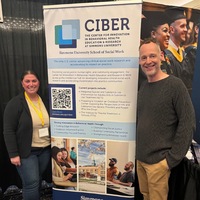
SSW's leadership in behavioral health education was formalized with the 2016 creation of the Center for Innovation in Behavioral Health Education and Research (CIBER) by Professors Jen Putney and Melinda Gushwa. As a leading center dedicated to accelerating clinical social work research and integrating evidence into practice, CIBER addresses pressing issues in mental and behavioral health. In 2021, CIBER received a $2.9 million grant from the Substance Abuse and Mental Health Services Administration (SAMHSA) to launch the Institute for Trauma Treatment in Schools, an initiative poised to significantly impact the lives of thousands of children annually.
In recent years, SSW has welcomed Dr. Michael LaSala as its Director, a renowned clinician, researcher, and academic leader. Under his guidance, the School continues to prioritize academic excellence, social justice, and professional leadership. Looking ahead, SSW is poised to expand enrollment, deepen community partnerships, and enhance continuing education programs. Rooted in its proud and historically significant legacy, SSW remains a trailblazer in clinical social work education.
Christine Flynn Saulnier
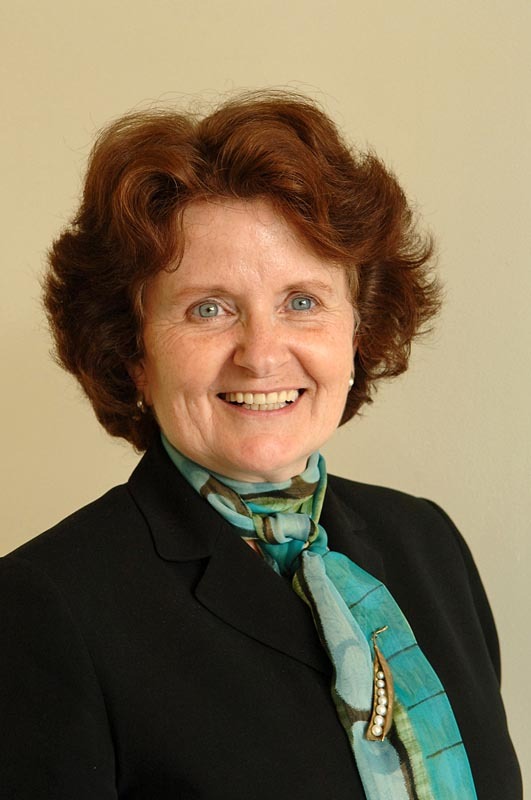
Dr. Christine Flynn Saulnier is a distinguished American social worker, educator, and author whose career spans direct practice, academic leadership, and groundbreaking contributions to feminist theory in social work. She holds a B.S. from Michigan State University (1980), a M.S.W. from Boston University (1985), and a Ph.D. in Social Welfare from the University of California, Berkeley (1994).
Dr. Saulnier’s early professional career reflects her deep commitment to clinical and community-based practice. From the mid-1980s through the early 1990s, she held various roles in social work and healthcare settings, including at Perkins School for the Blind, Community Counseling Center, Chelsea Soldiers' Home, Quigley Memorial Hospital, and Children’s Hospital. Her leadership as Program Director at Threshold for Change and her board service with the Institute on Alcohol, Drugs, and Disability (1990–1991) exemplify her investment in advancing care for vulnerable populations.
Following the completion of her doctorate, Dr. Saulnier transitioned into full-time academic roles, first as Assistant Professor at the State University of New York at Buffalo (1994–1997), where she also served on the Board of Directors and chaired the Program Development Committee at the Gay and Lesbian Youth Services of Western New York. She later joined Boston University’s School of Social Work as an Assistant Professor (1997–2002) before taking on academic planning and administrative leadership roles with the University of Wisconsin System.
From 2005 to 2009, Dr. Saulnier served as the ninth Dean of SSW. Though her deanship was brief—she stepped down after one year to return to the faculty—her tenure was marked by a strong commitment to advancing the diversity and inclusion initiatives championed by her predecessor, Joseph Regan. Under her leadership, SSW launched programs such as the Undoing Racism Academy and the Diversity Action Plan, both of which reflected her dedication to institutional equity and justice.
Beyond Simmons, Dr. Saulnier continued her academic leadership as Dean of Humanities and Social Sciences at the College of Staten Island (2009–2012), followed by roles as Special Assistant to the Provost (2012–2018), and later as Chair and Professor of Social Work (2014–present). Her scholarly expertise focuses on feminist theory, alcohol and drug problems, and lesbian health. Her writings have appeared in journals such as Affilia: Journal of Women and Social Work, Substance Use and Misuse, and Journal of Drug Issues. She is the author of the influential text Feminist Theories and Social Work, which continues to inform the field’s understanding of intersectionality, gender justice, and transformative practice.
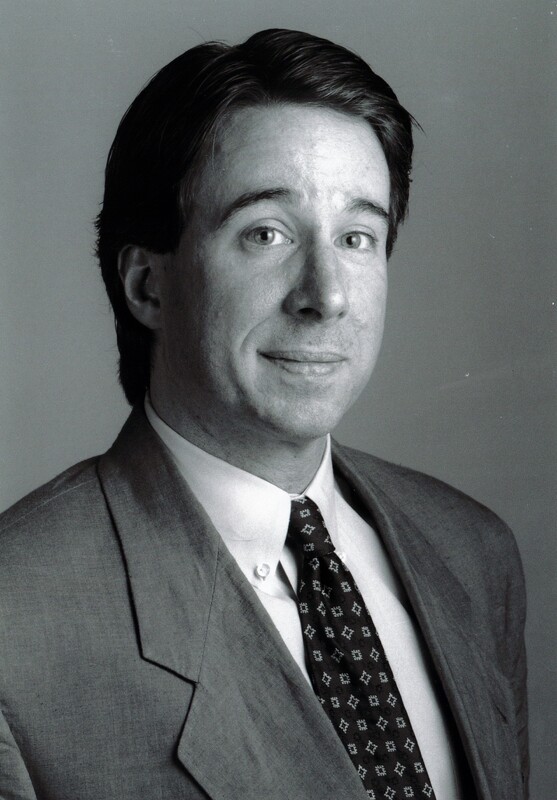
Stefan Krug
Dr. Stefan Krug’s career reflects over four decades of transformative leadership, teaching, and scholarship in clinical social work and higher education. Dr. Krug earned his B.A. from the University of California, Santa Cruz in 1977, M.S.W. from SSW in 1980, and later returned to complete his Ph.D. in 1994.
After receiving his M.S.W., Dr. Krug spent over a decade working in a range of community-based mental health settings, occupying both clinical and administrative roles that grounded his approach to social work education in real-world experience. His formal teaching career began in 1984 at the Boston Family Institute, where he cultivated his expertise in family systems and therapeutic practice.
Dr. Krug became a full-time faculty member at SSW in 1992 and served as a Professor from 1994 to 2006. He played a central role in shaping the School’s academic programs, including as Director of the Doctoral Program from 2000 to 2005 and as Chair of the Practice Sequence. His teaching spanned a broad range of subjects including Human Behavior and the Social Environment, Social Work Practice, and Research. He was also deeply involved with the Urban Leadership Program.
In 2006, Krug assumed the role of Interim Dean following Christine Flynn Saulnier’s return to faculty. The following year, he was appointed the School’s tenth Dean, serving from 2007 to 2013. His deanship was marked by an unwavering commitment to diversity, equity, and social justice, with a particular focus on strengthening anti-racism initiatives and preparing students to be leaders in an evolving profession. One of his most significant accomplishments was spearheading the development of Simmons’ first online M.S.W. program, positioning the School as a national leader in accessible graduate-level social work education.
Following his tenure as Dean, Dr. Krug became Deputy Provost of Simmons University (2013–2019), extending his leadership beyond SSW to guide academic strategy and institutional development across the University.
Dr. Krug’s scholarly interests include social work ethics, domestic violence, and qualitative research methods. His legacy at Simmons is defined by visionary leadership, a deep commitment to educational access, and the nurturing of inclusive excellence in social work education.
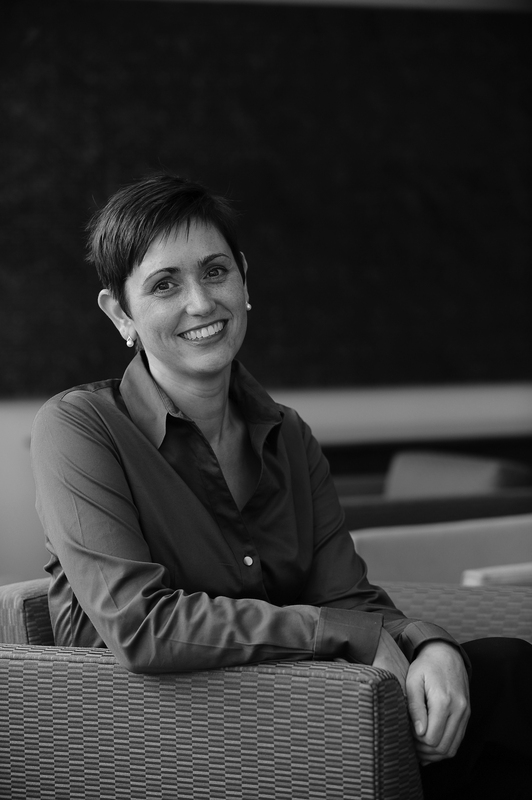
Michelle Putnam
Dr. Michelle Putnam is a nationally recognized scholar in the fields of aging, disability, and social welfare policy. She has spent her career advancing research and education that address the complex needs of older adults and individuals with disabilities. Dr. Putnam earned her B.A. from the University of Michigan in 1991, a Master of Gerontological Studies from Miami University in 1993, and a Ph.D. in Social Welfare from the UCLA School of Public Affairs in 2001.
Before joining SSW, Dr. Putnam served as an Assistant Professor at Washington University’s George Warren Brown School of Social Work from 2001 to 2008. Her early career also included nearly a decade of research assistantships across various institutions.
Dr. Putnam joined SSW faculty in 2008 as an Assistant Professor and quickly rose through the academic ranks, becoming Associate Professor in 2009 and full Professor in 2016. From 2010 to 2024, she served as Co-Director of the Center for Applied and Community Research, where she played a vital role in advancing community-engaged research that addressed health disparities and service gaps. Her leadership roles at SSW also included Associate Dean for Research (2013–2016), Interim Director of the Ph.D. Program (2018), Director of the Ph.D. Program (2018–2023), and Interim Director of SSW (2022–2023). During her tenure, she taught foundational courses in social policy and services, mentoring a generation of students and scholars in the application of policy research to practice.
Dr. Putnam’s scholarly contributions include numerous publications that explore the intersections of aging and disability, with particular attention to service delivery and access. Notable projects include her work as Principal Investigator on The Aging Service Study: Building Capacity to Serve People with Developmental Disabilities in St. Louis County (2011–2012) and Advancing Conceptual and Analytic Approaches to the Study of Activities and Aging (2011–2013).
An influential voice in gerontological scholarship, Dr. Putnam served as Editor-in-Chief of the Journal of Gerontological Social Work from 2014 to 2020 and, beginning in January 2025, she assumed the same role at Innovation in Aging, one of the field’s leading journals.
Currently, Dr. Putnam serves as Director and Professor at the Gerontology Institute at the University of Massachusetts Boston. Through her sustained contributions to research, teaching, and leadership, she continues to shape the discourse on aging and disability policy, ensuring that vulnerable populations are better understood and more effectively served.
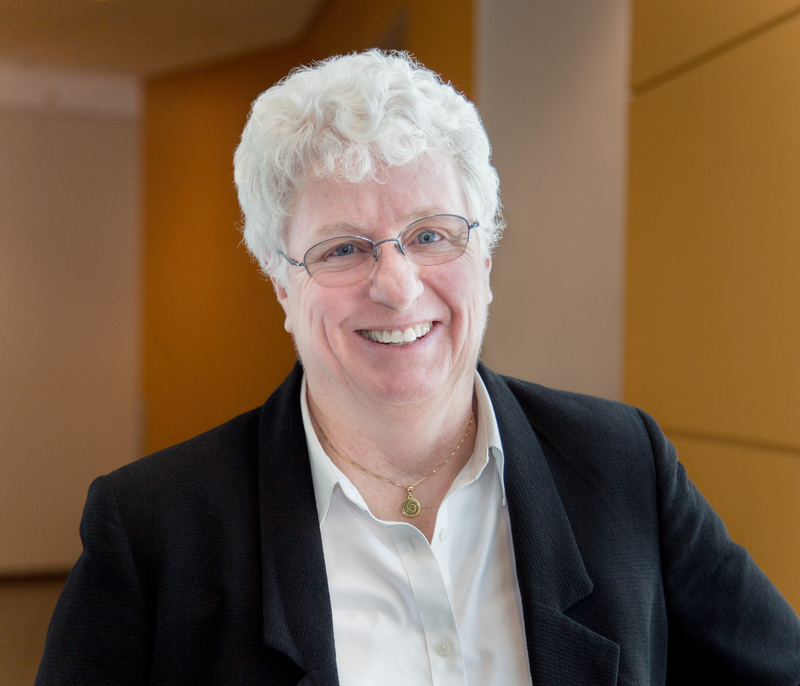
Cheryl Parks
In 2015, Dr. Cheryl A. Parks became the eleventh Dean of SSW. She holds a B.A. in Social Welfare and Psychology from Rhode Island College, a M.S.W. from the University of Washington, and a Ph.D. in Social Work from Bryn Mawr College, conferred in 1997.
Prior to her tenure at Simmons, Dr. Parks amassed extensive experience in both clinical practice and academia. She spent nearly two decades as a private social work practitioner and served as a clinician and administrator in mental health, substance abuse, and child welfare settings . Academically, she held faculty positions at Florida State University and Bryn Mawr College before joining the University of Connecticut's School of Social Work in 1999, where she served as Associate Dean for Research. Dr. Parks' scholarship focuses on social work practice and education, with particular attention to sexual minority identity development and social welfare. Her leadership at SSW was marked by a commitment to diversity and inclusion.
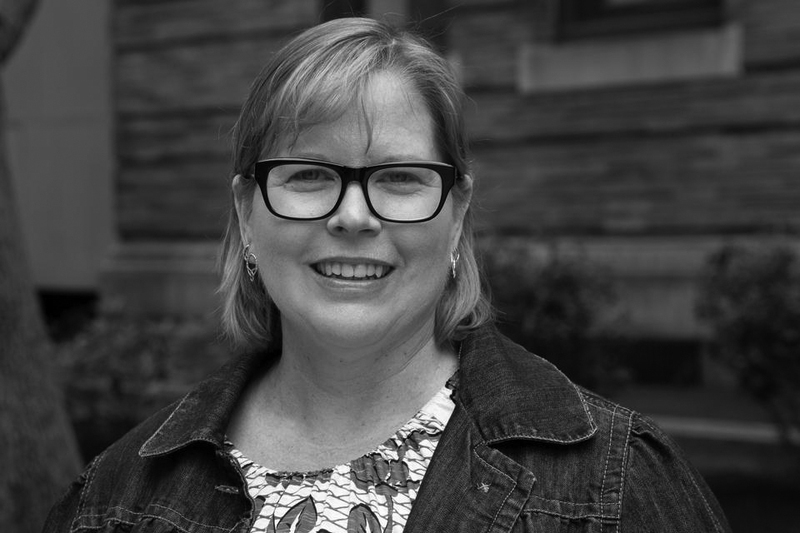
Melinda Gushwa
Dr. Melinda Gushwa is a social work educator, scholar, and clinical practitioner whose career has been defined by a steadfast commitment to child and adolescent well-being, trauma-informed care, and innovative approaches to social work education. She holds a B.A. from the University of Redlands, a M.S.W. from California State University San Bernardino, and earned her Ph.D. in Social Work from Washington University in St. Louis. Her professional expertise spans juvenile justice, medical social work, crisis intervention with children and adolescents, and a specialization in clinical practice and supervision.
From 2004 to 2008, she served as an Assistant Professor at the University of Wisconsin Green Bay, followed by a role as Associate Graduate Faculty and Child Welfare Trainer at the University of Nevada, Las Vegas (2008–2010). She continued her leadership in social work education as an Associate Professor at Rhode Island College (2010–2016) before joining SSW in 2016 as Director of the M.S.W. Program and Associate Professor, roles she held until 2022. During this period, she played a pivotal role in curriculum development, academic leadership, and advancing the School’s commitment to trauma-informed practice and social justice.
In 2022, Dr. Gushwa expanded her international profile by joining the Technological University of the Shannon in Ireland, first as Head of the Department of Applied Social Sciences and later, in 2024, as a Senior Lecturer. As of 2025, she serves concurrently as a Visiting Professor at SSW and a Lecturer at University College Cork.
Dr. Gushwa is also the co-founder of the Center for Innovation in Behavioral Health Education and Research (CIBER) at Simmons University, established in 2020 alongside Dr. Jennifer Putney. CIBER was created to accelerate the integration of clinical social work research into real-world practice settings, a mission aligned with Gushwa’s long standing dedication to closing the gap between scholarship and service delivery. Under her leadership, CIBER has emerged as a national leader in behavioral health innovation, securing eight federal and foundation grants totaling more than $12 million. Notably, this includes a $2.9 million grant from the Substance Abuse and Mental Health Services Administration (SAMHSA) to support the training of hundreds of social work students and practitioners in trauma-informed approaches to childhood trauma.
Dr. Gushwa’s career exemplifies the power of interdisciplinary collaboration, evidence-based practice, and visionary leadership in social work. Through her teaching, research, and institutional leadership, she has left a profound impact on the Simmons community and the broader field of behavioral health education.
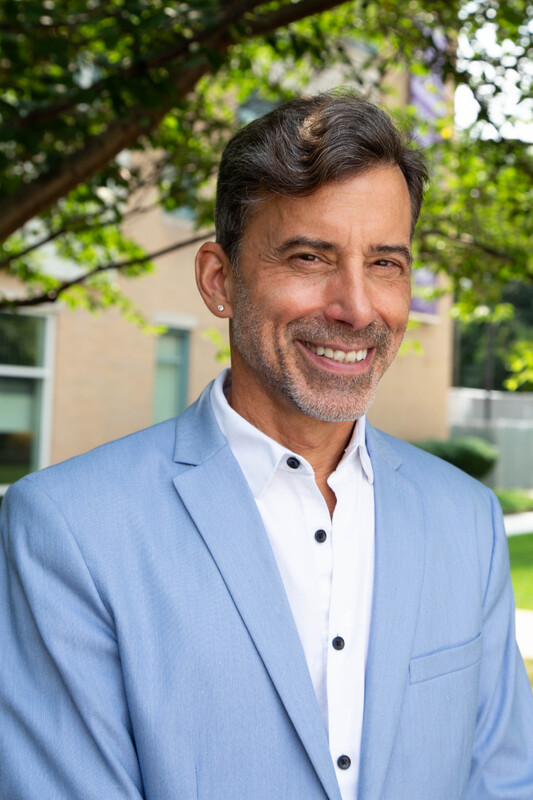
Michael LaSala
Dr. Michael C. LaSala is the current Dean of SSW, with a background as a distinguished academic and clinician shaped by more than 35 years of experience as a family therapist, educator, and researcher. Prior to joining Simmons, he served as Professor Emeritus at Rutgers University, where he also directed both the Master of Social Work (M.S.W.) and Doctor of Social Work (D.S.W.) programs. At Rutgers, Dr. LaSala earned multiple awards for innovation in teaching, underscoring his commitment to pedagogical excellence and student-centered learning.
Dr. LaSala’s scholarly work has had a lasting impact on the fields of clinical social work and LGBTQ+ family studies. His research focuses on the dynamics of couple and family relationships among gay men and lesbians, with a particular emphasis on how familial contexts influence the sexual behaviors of gay and bisexual youth. A cornerstone of his scholarship is the critically acclaimed book Coming Out, Coming Home: Helping Families Adjust to a Gay or Lesbian Child, which details the findings and clinical implications of a National Institute of Mental Health–funded qualitative study involving 65 gay and lesbian youth and their families.
His most recent publication, Clinical Social Work with Individuals, Families, and Groups: The Power of Healing Relationships, reflects his belief in the transformative potential of relational, evidence-based therapeutic practice. In addition to authoring over 30 peer-reviewed journal articles, Dr. LaSala actively contributes to public scholarship through his long-running blog, Gay and Lesbian Well-Being, hosted by Psychology Today.
In recognition of his groundbreaking work and enduring advocacy for equity, Dr. LaSala received the American Family Therapy Academy’s 2017 Distinguished Contribution to Social Justice Award. As Dean of SSW, he brings this legacy of excellence, inclusion, and innovation to the next generation of clinical social work education—ensuring that the School continues to prepare practitioners who are both deeply compassionate and socially engaged.